Site Supervision in Interior Design: A Practical Guide from Drawings to Final Handover

A beautiful interior design does not become reality simply because the drawings look perfect.
The real test begins on site.
Measurements have to match the drawings. Materials need to arrive at the right time. Electrical and plumbing points must be coordinated. Carpentry, false ceiling, flooring, painting and other work must happen in the correct sequence.
This is where site supervision in interior design becomes essential.
Whether you are an interior designer, contractor, site supervisor or interior design student, understanding site supervision can help you avoid costly mistakes and execute a project more efficiently.
Design is the plan. Execution is reality. Site supervision connects the two.
What Is Site Supervision in Interior Design?
Site supervision is the process of monitoring interior work at the project site to ensure that the design is being executed according to the approved drawings, specifications, quality standards, budget and timeline.
It is not simply about standing at the site and watching workers.
A good site supervisor needs to understand drawings, measurements, materials, construction methods, workmanship and coordination between different teams.
They may need to coordinate with:
Interior designers
• Clients
• Contractors
• Carpenters
• Electricians
• Plumbers
• False-ceiling teams
• Painters
• Flooring installers
• Furniture and material vendors
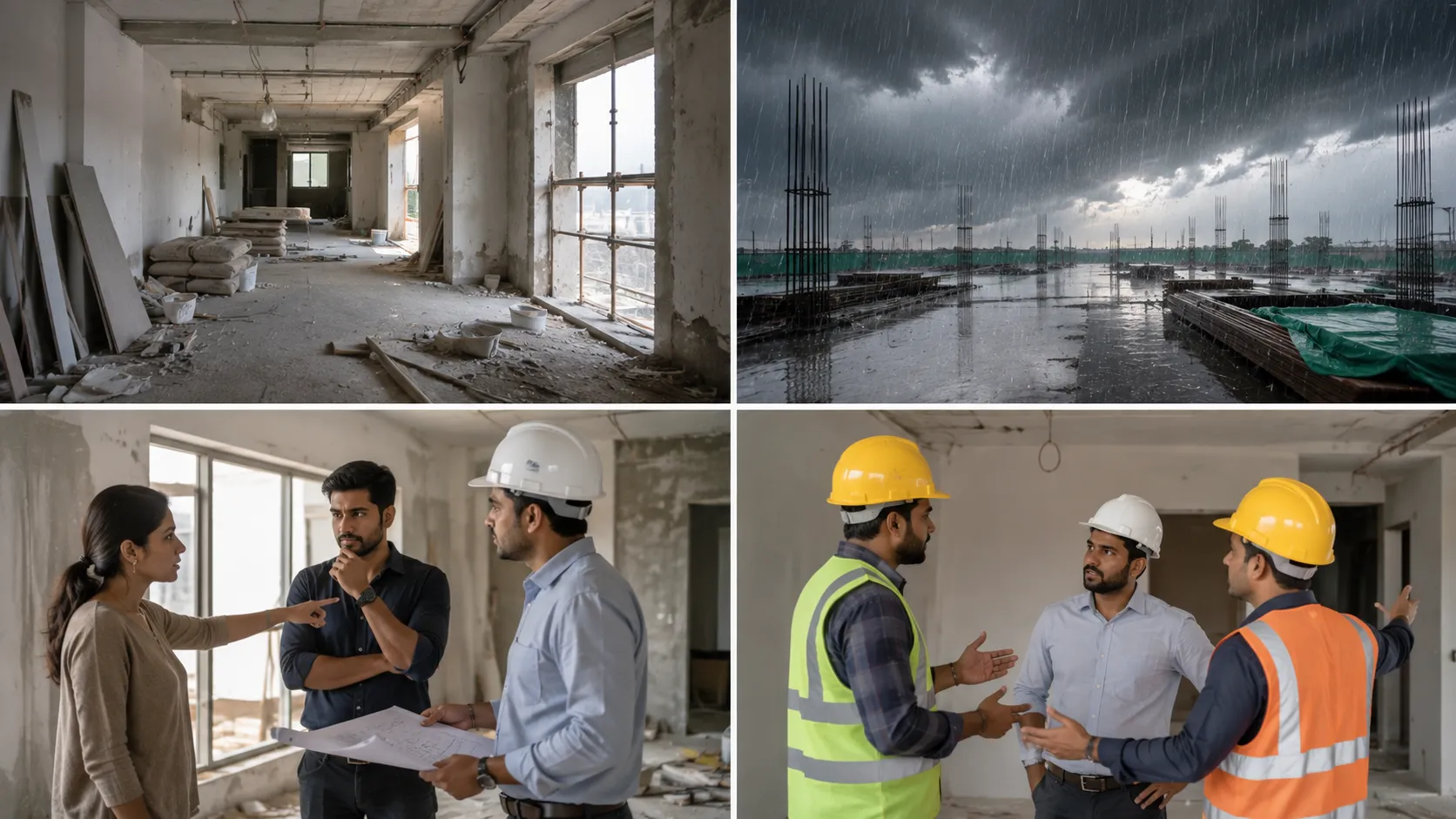
In simple words, site supervision makes sure that what is planned on paper is properly executed on site.
Why Is Site Supervision Important?
Even a well-designed project can face problems during execution.
For example, a drawing may show a particular electrical point, but the actual site condition may make that location difficult to execute. A furniture measurement may change because of an unexpected column. A selected material may be delayed. A ceiling design may conflict with lighting or air-conditioning requirements.
If these issues are noticed early, they can usually be solved with less cost and less disruption.
If they are discovered after the work is completed, correcting them can become expensive.
That is why regular site supervision is an important part of professional interior design.
Key Responsibilities of an Interior Site Supervisor
1. Understanding and Verifying Drawings
Before execution begins, the site team should understand the relevant drawings and specifications.
These may include:
Furniture layouts
• Floor plans
• Ceiling plans
• Electrical layouts
• Plumbing layouts
• Elevations
• Sections
• Detailed drawings
• Material specifications
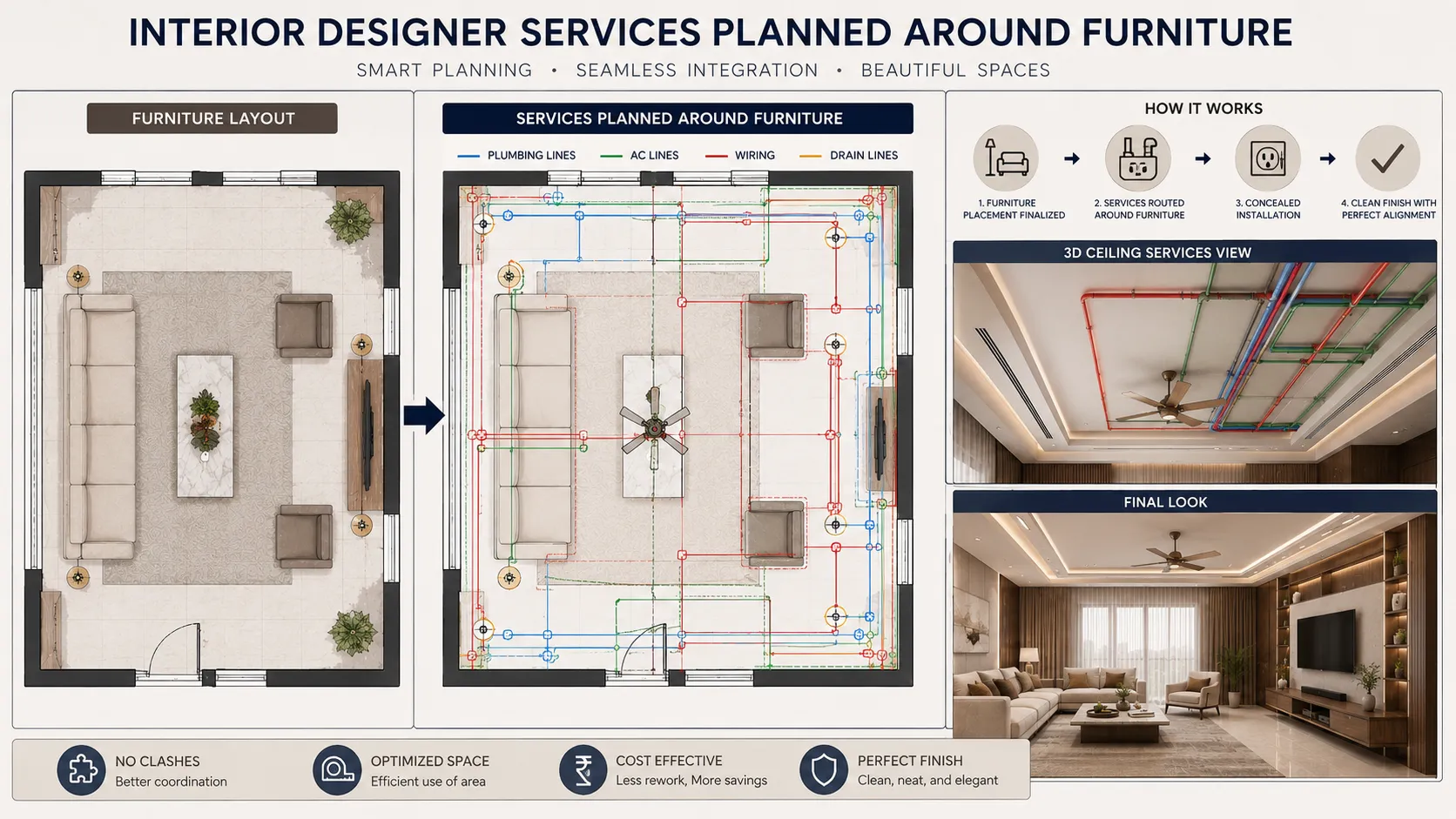
The drawings should also be checked against actual site conditions.
Never assume that the drawing and site are automatically identical.
2. Checking Measurements and Site Conditions
Accurate measurements are one of the foundations of successful interior execution.
Before starting major work, check:
• Room dimensions
• Wall thickness
• Ceiling height
• Door and window openings
• Column and beam locations
• Existing electrical points
• Plumbing points
• Floor levels
• Uneven walls or surfaces
A small measurement error at the beginning can create a much bigger problem later.
3. Setting Out
Setting out means marking important positions on site before the actual work begins.
This can include marking:
• Walls and partitions
• Furniture positions
• Electrical points
• Plumbing points
• Ceiling levels
• Flooring patterns
• Kitchen units
• Wardrobes
• Door positions
Proper setting out helps different teams work from the same reference.
4. Coordinating Different Trades
Interior projects involve many different workers and contractors.
One team may finish its work perfectly, but if it is not coordinated with the next team, problems can occur.
For example:
Electrical → False ceiling → Painting → Lighting installation
If electrical points are not coordinated before the ceiling is closed, changes later can mean additional labour and unnecessary expense.
A site supervisor helps ensure that different activities happen in the correct sequence.
5. Monitoring Material Quality
Materials should be checked when they arrive at the site.
Depending on the project, this may include checking:
Quantity
Colour
Size
Finish
Brand or specification
Damage during transportation
Approved samples

Do not assume that the material delivered is automatically the material approved by the designer or client.
A simple check at delivery can prevent a major replacement problem later.
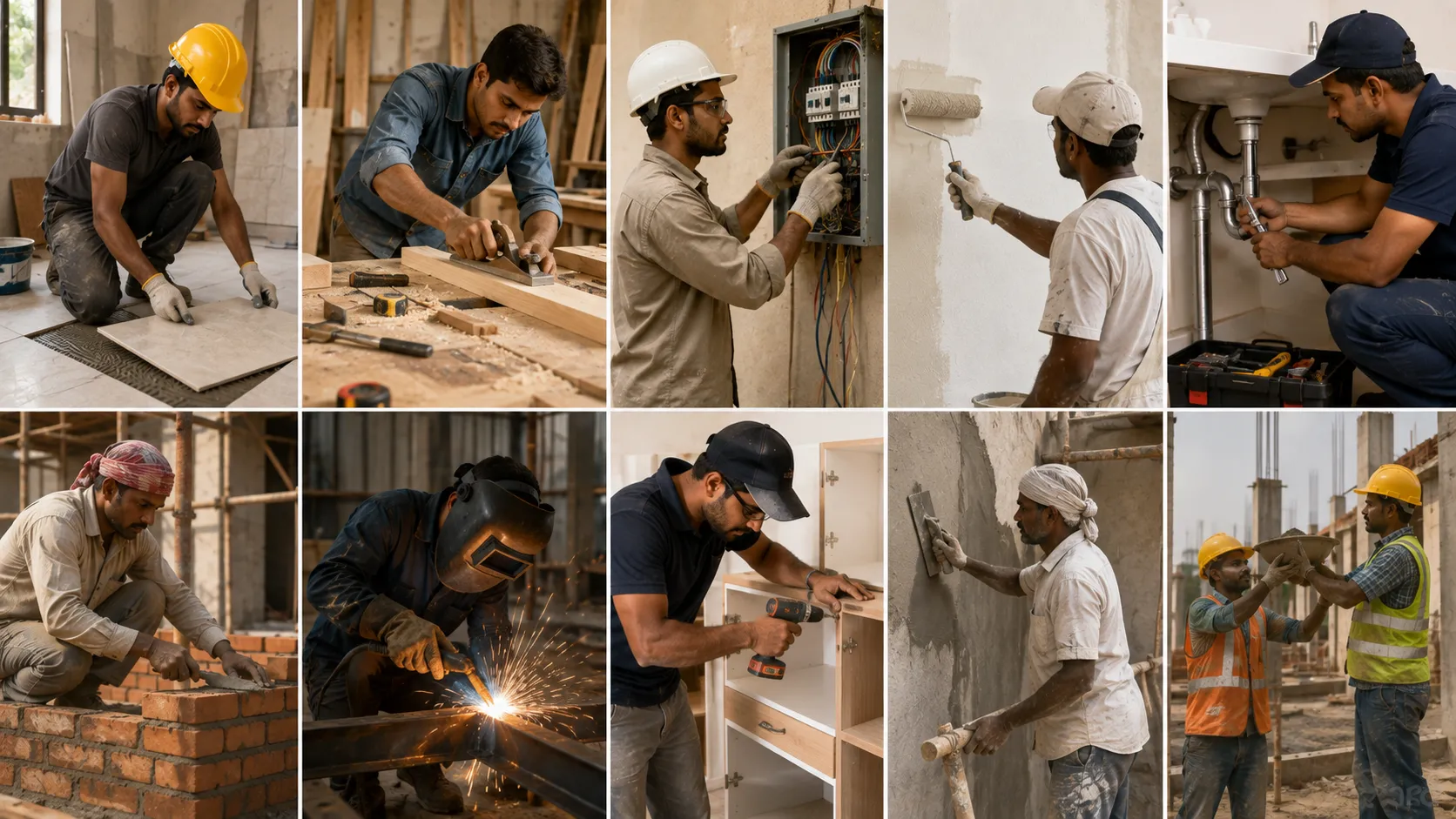
6. Checking Workmanship
Good materials cannot compensate for poor workmanship.
Site supervision should include regular inspection of completed work.
For example:
Carpentry:
Check dimensions, alignment, joints, hardware and finish.
False ceiling:
Check levels, edges, joints, access panels and coordination with lights and services.
Flooring:
Check alignment, levels, joints, pattern and damaged pieces.
Painting:
Check surface preparation, colour, coverage and finishing.
The goal is not to find fault with workers. The goal is to identify problems early enough to correct them.
7. Maintaining the Correct Work Sequence
Interior work is interconnected.
A practical sequence may look something like:
Site preparation → Civil changes → Electrical/plumbing → Ceiling → Flooring → Carpentry → Painting → Fixtures and lighting → Final cleaning → Snagging → Handover
The exact sequence can vary depending on the project.
The important point is that every activity should be planned with the next activity in mind.
8. Handling Changes at Site
Changes are common in interior projects.
A client may change a colour. A material may become unavailable. A measurement may differ from the original drawing. A contractor may suggest an alternative method.
But changes should not be made casually.
Before implementing an important change, consider:
Will it affect the design?
Will it affect another trade?
Will it increase the cost?
Will it affect the timeline?
Does it require client or designer approval?
Good documentation and communication can prevent misunderstandings.
9. Keeping Communication Clear
Many site problems are actually communication problems.
A verbal instruction can easily be forgotten or misunderstood.
Important decisions should preferably be documented through appropriate channels such as drawings, marked-up details, written instructions, photographs or project communication records.
A good habit is:
Discuss → Confirm → Document → Execute
This simple process can save considerable time and confusion.
10. Final Inspection and Handover
Before handing over the project, conduct a detailed inspection.
Look for:
• Damaged surfaces
• Paint touch-ups
• Loose hardware
• Alignment issues
• Missing fixtures
• Electrical problems
• Plumbing leakage
• Uneven flooring
• Carpentry defects
• Cleaning requirements

Prepare a snag list and assign each item to the responsible person.
Once the issues are corrected, carry out a final inspection before handover.
Site Supervision Checklist
A simple checklist can make site visits much more effective.
Before Work Starts
☐ Latest drawings available on site
☐ Measurements verified
☐ Material samples approved
☐ Work sequence discussed
☐ Responsibilities clarified
☐ Site conditions checked
During Execution
☐ Dimensions and levels checked
☐ Electrical points verified
☐ Plumbing points verified
☐ Material quality checked
☐ Workmanship inspected
☐ Different trades coordinated
☐ Progress monitored
☐ Changes documented
Before Handover
☐ All major work completed
☐ Snag list prepared
☐ Defects corrected
☐ Fixtures tested
☐ Surfaces cleaned
☐ Final inspection completed
☐ Handover documentation prepared
Common Site Problems and How to Avoid Them
Material arrives late
Problem: Work gets delayed because the required material is unavailable.
Solution: Plan procurement in advance and track important deliveries.
Drawing and site dimensions don’t match
Problem: Furniture, partitions or finishes don’t fit as planned.
Solution: Verify critical dimensions before fabrication or installation.
Poor coordination between trades
Problem: Electrical, plumbing, ceiling and carpentry work interfere with one another.
Solution: Coordinate drawings and work sequences before execution.
Changes are made without approval
Problem: The finished result differs from the approved design or increases the cost.
Solution: Confirm significant changes before implementation.
Problems are discovered too late
Problem: Defects are noticed only after another layer of work has covered them.
Solution: Inspect each stage before allowing the next stage to proceed.
Site Supervision Is a Skill, Not Just a Responsibility.
For an interior designer, knowing how to create a beautiful concept is only one part of professional practice.
A designer should also understand how that concept is executed.
For students entering the interior-design profession, site knowledge can be particularly valuable. Understanding materials, drawings, measurements, construction sequences and contractor coordination makes communication with the execution team much easier.
For contractors and supervisors, understanding design intent helps ensure that the final result remains close to what was approved.
And for clients, proper supervision can provide greater confidence that their investment is being executed with care.
Good interior design is not complete when the drawing is finished. It is complete when the design is successfully executed.
Frequently Asked Questions
What is site supervision in interior design?
Site supervision is the process of monitoring and coordinating interior work to ensure that construction and installation follow approved drawings, specifications, quality standards and project requirements.
What does an interior site supervisor do?
An interior site supervisor may monitor measurements, materials, workmanship, work progress, site coordination, drawings, contractors and quality during project execution.
Is site supervision important for interior designers?
Yes. Understanding site execution helps interior designers create practical designs, communicate better with contractors and identify potential problems before they become expensive changes.
Can an interior design student learn site supervision?
Absolutely. Site supervision is an important practical skill for students who want to understand how interior projects move from drawings to real spaces.
What is the difference between an interior designer and a site supervisor?
An interior designer primarily develops the design and design documentation, while a site supervisor focuses on monitoring and coordinating execution at the project site. In practice, responsibilities can overlap depending on the project and organization.