The Future of Interior Design: Why Fundamentals Matter More Than Ever in the Age of AI

Table of Contents (15)
- 2. What AI Can Do for Interior Designers Today
- AI-Generated Design Concepts
- Exploring Space Planning Ideas
- Improving Design Presentations
- 3. What AI Cannot Replace: The Fundamentals of Interior Design
- Space Planning and Functionality
- Colour Theory and Lighting
- Materials and Specifications
- Furniture Layouts and Ergonomics
- Estimation and Costing
- Site Execution and Supervision
- 5. Will AI Create More Opportunities in Interior Design ?
- 6. How to Prepare Yourself for the Future of Interior Design
- Conclusion: Don't Compete with AI. Become the Designer Who Knows How to Use It.
The interior design industry is entering an exciting new era. Artificial Intelligence (AI), advanced design software and digital technologies are changing how designers imagine, develop and present interior spaces. Tasks that once required hours of manual effort can now be completed in minutes with the help of AI-powered tools.
From generating interior concepts and creating mood boards to visualising furniture arrangements and exploring colour combinations, technology is opening new possibilities for creative professionals.
But does this mean that becoming an interior designer will become easier? Will AI eventually take over the work of interior designers?
The answer lies in understanding what interior design really involves.
Interior design is not simply about making a room look beautiful. It is about understanding people, improving functionality, planning spaces, selecting suitable materials, managing budgets and transforming ideas into practical, comfortable environments.
AI can support many parts of this process, but professional design knowledge remains the foundation.
As technology continues to evolve, one thing becomes increasingly clear: the future of interior design belongs to professionals who combine strong design fundamentals, practical experience, creativity and the ability to use modern technology effectively.
Let's explore how AI is transforming the industry and why learning the fundamentals of interior design is more important than ever.
1. Interior Design Is Entering a New Era
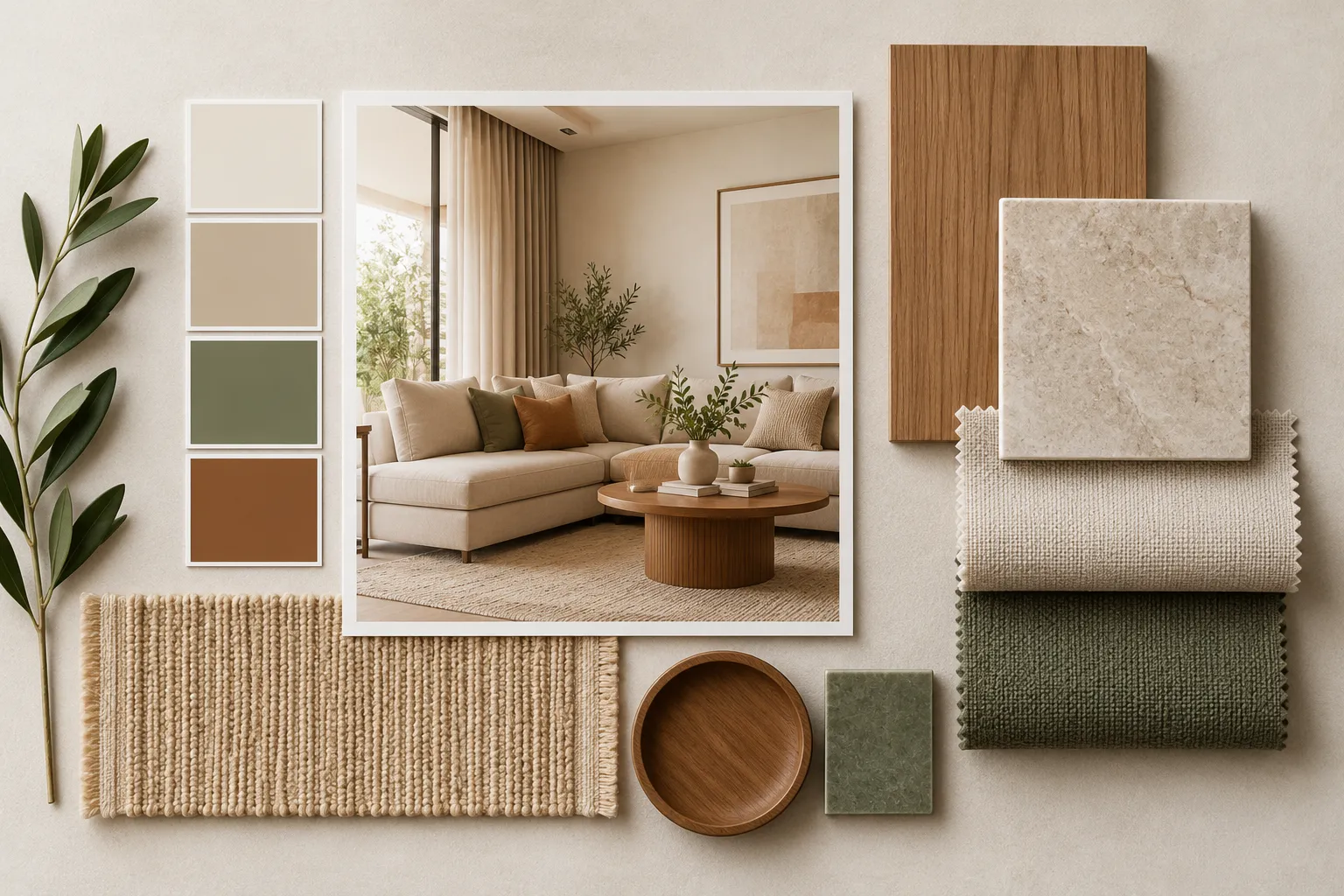
For many years, interior designers relied on hand-drawn sketches, technical drawings, physical material samples and traditional presentation methods to communicate their ideas.
With the development of digital design software, the industry gradually moved towards computer-aided drafting, 3D modelling and realistic visualisation.
Today, AI is taking this transformation further.
Designers can explore multiple concepts, experiment with different interior styles, generate visual references and communicate ideas more efficiently. What once required considerable time and effort can now be explored through intelligent digital tools.
For example, imagine a client approaching an interior designer with a requirement for a modern living room.
Earlier, the designer might begin by collecting references, preparing mood boards, developing layouts and creating 3D views. Today, AI tools can help generate initial visual concepts, suggest different colour palettes and explore furniture styles within a much shorter time.
However, generating an attractive image is only one part of the design process.
The designer still needs to understand the room dimensions, circulation space, furniture requirements, lighting conditions, material suitability and the client's budget.
This is where professional interior design knowledge makes the difference.
Technology is changing the process, but the principles of good design remain essential.
2. What AI Can Do for Interior Designers Today
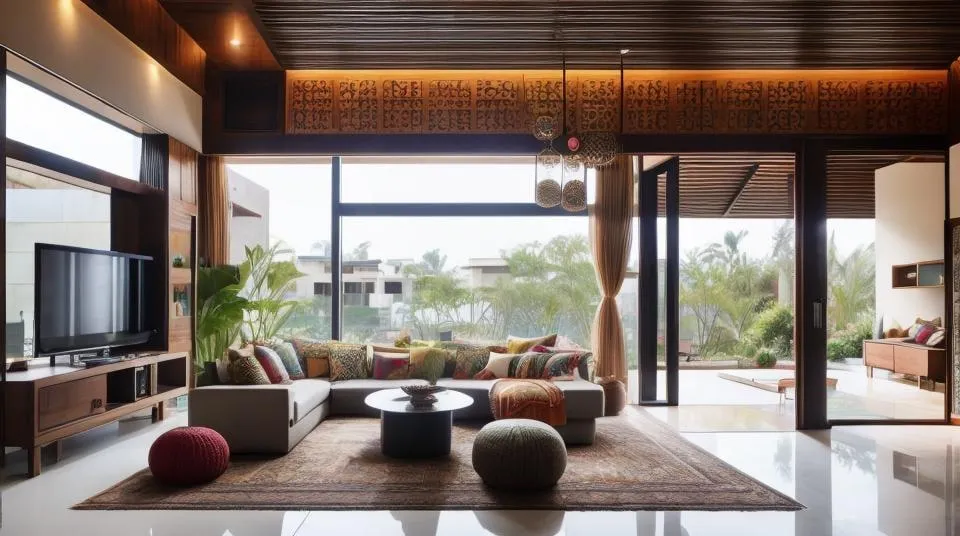
Artificial Intelligence is becoming a useful assistant throughout different stages of interior design. It can help designers explore creative possibilities, save time on repetitive tasks and improve the way they present their ideas.
Here are some important areas where AI is making an impact.
AI-Generated Design Concepts
AI tools can generate interior design concepts based on written descriptions, reference images and selected design preferences.
A designer can explore modern, contemporary, minimalist, traditional or luxury interior styles and compare different visual directions before developing a final concept.
This makes the initial creative exploration faster and more flexible.
Creating Mood Boards and Colour Combinations
Mood boards help communicate the overall feeling, colour palette, textures and materials of a proposed interior.
AI can assist in exploring colour combinations, identifying visual styles and generating inspiration for different spaces.
However, the designer must still understand colour theory, material characteristics, lighting effects and how different elements work together in a real environment.
Faster Interior Visualisation
AI-assisted visualisation can help designers communicate their ideas more effectively.
Clients can explore different furniture styles, finishes, lighting moods and decorative possibilities before the actual work begins.
This improves design discussions and helps clients understand the proposed direction.
Exploring Space Planning Ideas
AI-assisted tools can help generate preliminary furniture arrangements and explore different layout possibilities.
Designers can use these suggestions as starting points when developing functional spaces.
However, every layout must be checked against actual measurements, ergonomic requirements, movement patterns, accessibility and practical usage.
Improving Design Presentations
AI can also assist in preparing presentation references, visual concepts, written descriptions and design alternatives.
This allows designers to spend more time refining their ideas and communicating with clients.
The important point: AI is a creative and productivity tool. Its output becomes valuable when a knowledgeable designer can evaluate, correct and develop it into a practical design solution.
3. What AI Cannot Replace: The Fundamentals of Interior Design
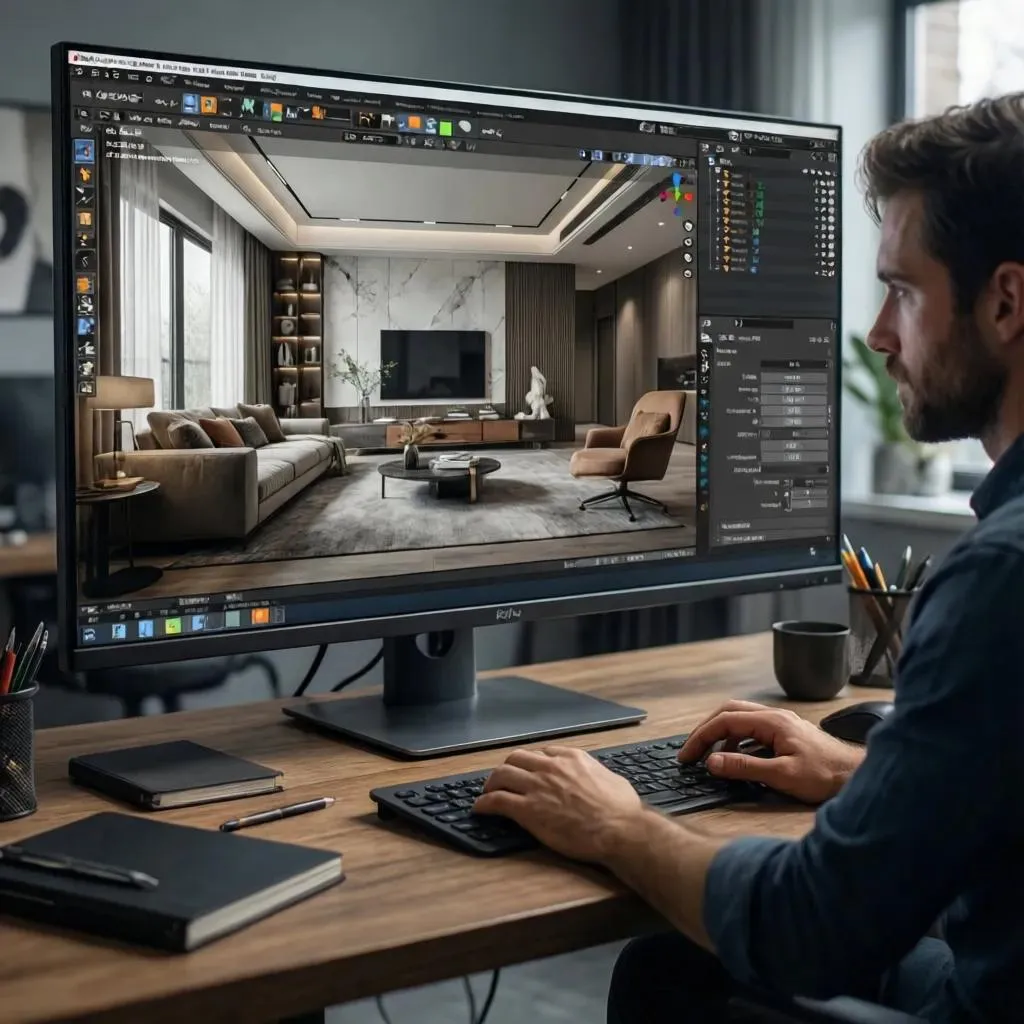
AI can generate impressive images, but professional interior design requires knowledge that goes far beyond visual appearance.
A beautiful design must also be functional, safe, comfortable, technically achievable and suitable for the people who will use the space.
This is why understanding the fundamentals of interior design will remain essential, even as technology becomes more advanced.
Space Planning and Functionality
A well-designed space begins with proper planning.
Interior designers must understand how people move through a space, how furniture should be arranged and how different activities can be accommodated.
For example, a living room may look beautiful in an AI-generated image, but does it provide sufficient circulation space? Can people comfortably move around the furniture? Is the seating arrangement suitable for the family?
These decisions require an understanding of space planning, dimensions, proportions and functionality.
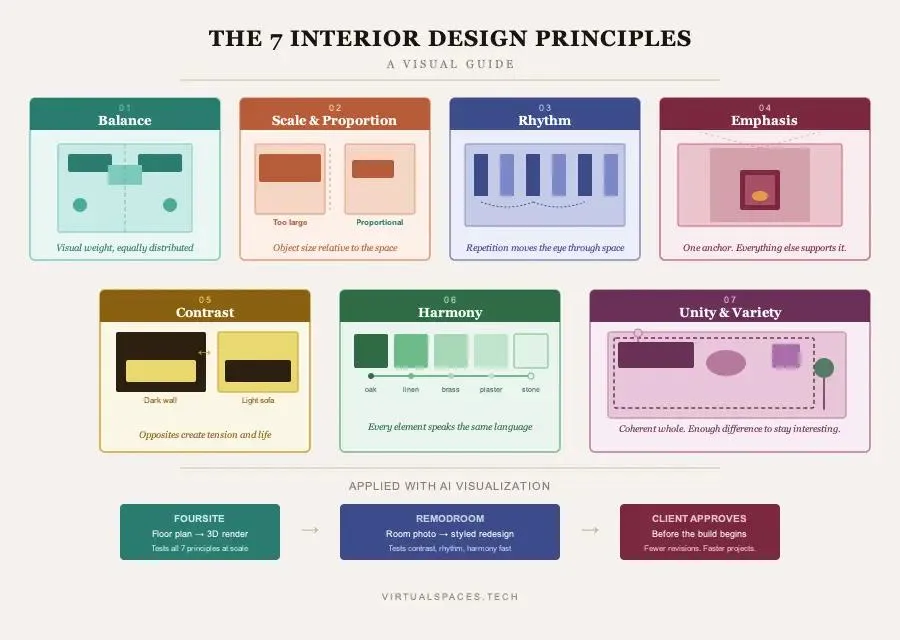
Design Principles and Elements
Every successful interior has a visual language.
Balance, proportion, rhythm, harmony, contrast and emphasis help designers create spaces that feel visually connected and comfortable.
Understanding these principles helps designers make informed creative decisions rather than simply following attractive images or popular trends.
AI can suggest design combinations, but the designer needs to understand why a particular combination works.
Colour Theory and Lighting
Colours influence the mood and perception of a space. Lighting influences how those colours, textures and materials appear.
A designer must understand natural and artificial lighting, colour temperatures, light distribution, shadows and the relationship between colours and surrounding materials.
For example, a colour that looks beautiful in a digital rendering may appear completely different under warm artificial lighting or natural daylight.
This knowledge helps designers create interiors that work in real conditions, not just on a computer screen.
Materials and Specifications
Material selection is one of the most important responsibilities of an interior designer.
Designers need to understand different materials, their properties, applications, durability, maintenance requirements and costs.
Choosing between natural stone, engineered stone, laminates, veneers, different types of plywood, fabrics and flooring materials requires practical knowledge.
An AI-generated image may suggest a particular finish, but the designer must determine whether that material is available, suitable for the application and within the client's budget.
Furniture Layouts and Ergonomics
Furniture is not selected only for its appearance.
Its dimensions, proportions, comfort, functionality and relationship with the surrounding space are equally important.
Understanding ergonomics helps designers create comfortable kitchens, bedrooms, living rooms, workspaces and other functional environments.
A visually attractive furniture arrangement is not necessarily a practical one.
Estimation and Costing
A successful interior design project must also make financial sense.
Designers need to calculate quantities, understand material rates, estimate labour costs, prepare budgets and manage project expenses.
For example, a designer may develop an impressive living room concept, but without proper estimation and costing, the project may exceed the client's budget.
This is why financial planning is an essential professional skill.
Site Execution and Supervision
Design ideas become meaningful when they are executed correctly.
Interior designers must understand drawings, measurements, construction processes, coordination with contractors, installation details and quality checks.
They also need to identify discrepancies between drawings and actual site conditions.
AI can help create visualisations and assist with documentation, but physical execution requires coordination, technical understanding and real-world decision-making.
The takeaway: AI can help create a design proposal, but professional fundamentals help transform that proposal into a successful interior space.
4. The Future Designer: Creativity + Technical Knowledge + AI
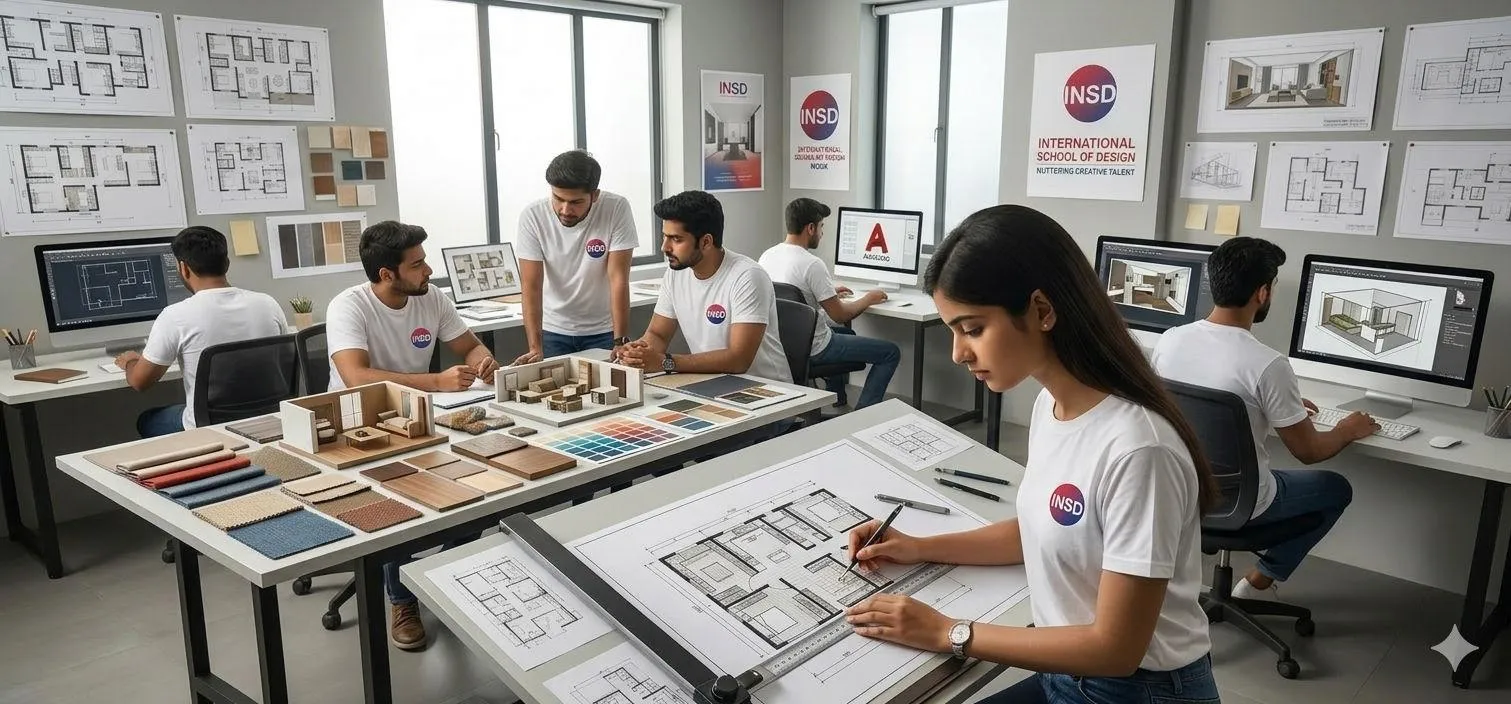
The future of interior design will not depend on choosing between traditional design knowledge and modern technology.
It will depend on combining both.
A future-ready interior designer will need three important capabilities:
1. Creativity
Creativity helps designers understand different design possibilities, develop original concepts and create meaningful spaces that reflect the client's personality and lifestyle.
2. Technical Knowledge
Technical knowledge helps designers understand measurements, drawings, materials, specifications, ergonomics, estimation and execution.
3. Technology and AI Skills
Digital tools and AI help designers explore concepts faster, improve visual presentations, automate selected tasks and communicate ideas more efficiently.
Consider a practical example.
A client wants to renovate a two-bedroom apartment.
Creativity helps the designer develop a concept that reflects the family's lifestyle.
Technical knowledge helps prepare functional layouts, select materials and plan the budget.
AI and design software help explore visual concepts, generate alternatives and present the proposed interiors.
When these three capabilities work together, designers can deliver better-informed design solutions.
The future professional will not simply be someone who knows how to generate an attractive image. It will be someone who understands the entire journey from the first client discussion to the completed interior.
5. Will AI Create More Opportunities in Interior Design?
As AI becomes more accessible, the interior design industry will continue to evolve.
It may change how designers work, how they communicate with clients and how quickly they develop design concepts. It may also create opportunities for professionals who can combine design knowledge with technology.
Here are some areas where designers can benefit.
More efficient creative exploration: Designers can explore multiple concepts and visual directions before finalising a design.
Better client communication: Visual presentations can help clients understand design proposals more clearly.
New digital services: Designers can explore opportunities in 3D visualisation, digital mood boards, virtual design consultations and AI-assisted concept development.
Improved productivity: AI can assist with selected repetitive tasks, allowing designers to focus more on creative development and project requirements.
Continuous learning opportunities: New tools and technologies create opportunities for designers to upgrade their skills and expand their professional capabilities.
However, technology alone does not guarantee professional success.
Clients still need designers who can understand their requirements, provide practical solutions, manage expectations and coordinate real projects.
As the industry evolves, professionals with strong fundamentals and the willingness to keep learning will be better prepared to adapt.
6. How to Prepare Yourself for the Future of Interior Design
If you are planning to build a career in interior design, this is an exciting time to enter the industry.
You do not need to know every AI tool before starting your learning journey. Instead, focus on building a strong foundation and gradually introduce modern technologies into your workflow.
Here are some important steps to consider.
Step 1: Understand the Fundamentals of Interior Design
Begin with design principles, space planning, colour theory, lighting, furniture layouts and basic design concepts.
These subjects help you understand how professional interior spaces are developed.
Step 2: Develop Technical Drawing Skills
Learn how to read and prepare floor plans, furniture layouts, elevations, sections and working drawings.
Understanding technical drawings is essential for communicating design ideas and working with contractors.
Step 3: Learn Professional Design Software
Develop practical skills in industry-relevant tools such as AutoCAD, SketchUp and other 3D visualisation software.
These tools help transform design ideas into detailed drawings and visual presentations.
Step 4: Understand Materials, Estimation and Execution
Learn about materials, specifications, quantities, costing, site supervision and practical execution.
These skills help you understand how interior projects work beyond the design presentation.
Step 5: Explore AI Tools and Modern Technologies
Once you understand the fundamentals, start exploring AI-assisted design tools.
Experiment with concept generation, mood boards, visual references and presentation techniques.
Learn to evaluate AI-generated results rather than accepting every output as a finished solution.
Step 6: Work on Practical Projects
Apply your knowledge to residential, commercial and other interior design projects.
Practical assignments help you understand how different subjects connect and how design decisions affect actual project outcomes.
Remember, learning interior design is not about mastering one particular software or following one trend. It is about developing the ability to understand, plan and execute spaces professionally.
Conclusion: Don't Compete with AI. Become the Designer Who Knows How to Use It.
The future of interior design is not a competition between human creativity and artificial intelligence.
It is an opportunity to bring together creativity, professional knowledge, practical experience and technological innovation.
AI will continue to introduce new possibilities, making certain design processes faster and more accessible. But the ability to understand people, solve spatial problems, select appropriate materials, manage budgets and execute projects will remain central to professional interior design.
For aspiring designers, the most valuable investment is not simply learning the latest AI tool. It is developing a strong foundation that allows them to use every new technology with confidence and understanding.
At Flagship Design Academy, we believe that learning interior design should go beyond creating beautiful visualisations. It should help learners understand the complete design process, from fundamental concepts and technical drawings to materials, costing and practical execution.
Because technology may change how we design, but understanding design is what makes us professionals.
The future belongs to designers who think creatively, understand technically and adapt confidently to technology.
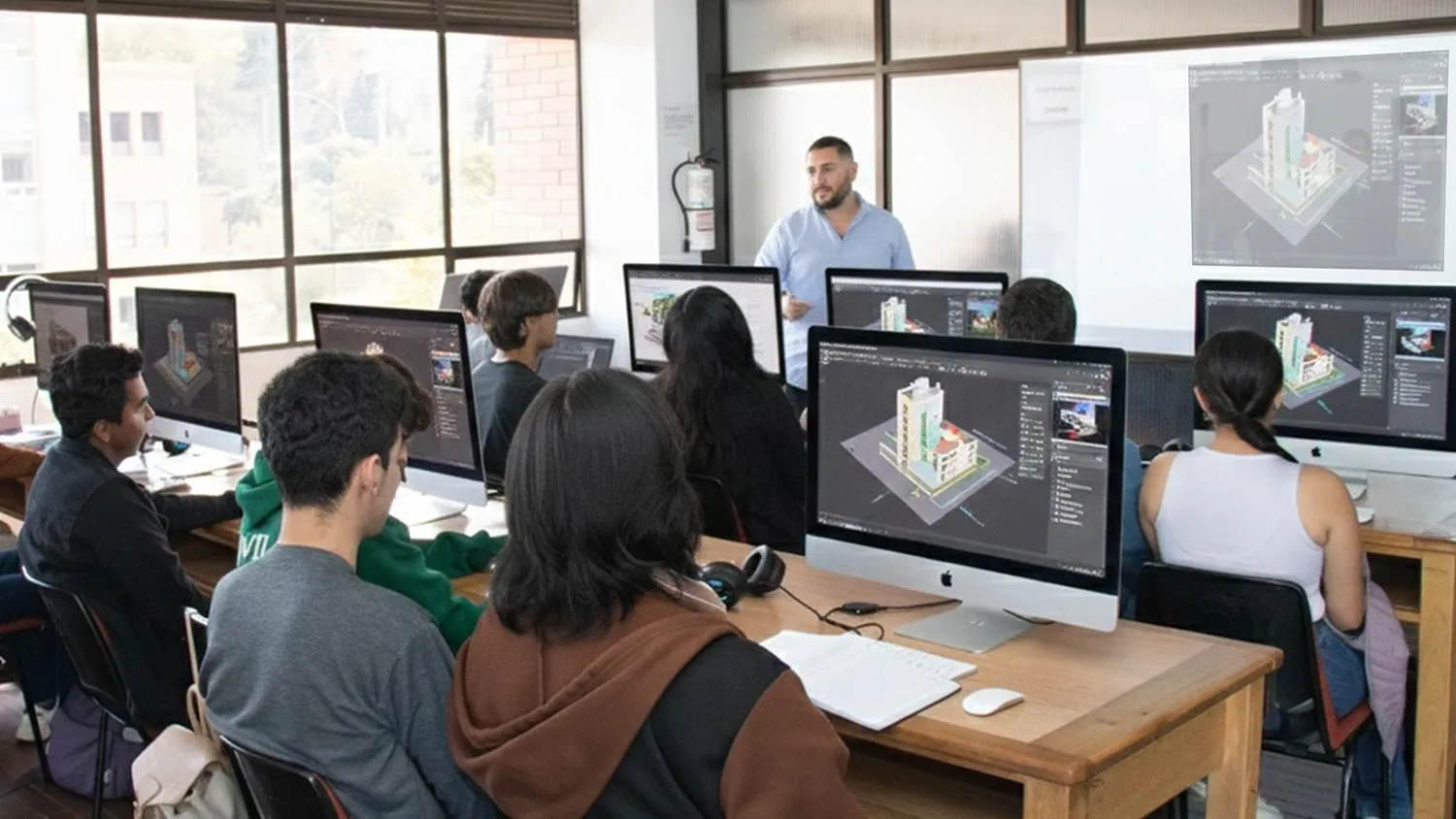
Explore Interior Design Learning with Flagship Design Academy
Whether you are a beginner exploring your creative interests or someone looking to develop professional interior design skills, building the right foundation is an important first step.
Explore the learning opportunities at Flagship Design Academy and begin developing the knowledge and practical skills needed for the evolving interior design industry.